Marjoleine schreef:
Ik zeg alleen wat de faculteit hier zegt.
En ik klets maar wat uit mijn nek, natuurlijk

Ik heb nu geen toegang tot Pubmed maar dit artikel op Ivis geeft het prima weer:
Brachycephalic Syndrome
The brachycephalic breeds have been selectively bred for a flat face, but soft tissues have
not been condensed proportionately to their foreshortened skulls. This has resulted in:
- excess nasal and oropharyngeal mucosae;
- a thick, redundant soft palate which interferes with laryngeal function; and
- shortened, medially displaced nasal cartilages covered with thickened epithelium, resulting
in functional stenotic nares.
These are the primary anatomical changes that cause chronic upper airway resistance and
obstruction, increased inspiratory effort and marked negative pressures on inspiration.
<snip>
Even apparently normal brachycephalics will often show some stertorous breathing, especially when stressed. They have a tendency to openmouth breathe, are prone to hyperthermia due to poor heat regulation (lack of air flow over the lateral nasal glands), have poor exercise tolerance, and may gag and cough when eating and drinking (due to the thickened and elongated soft palate). They often show signs of sleep disordered breathing and may have chronically low O2 saturation levels, and thus be polycythemic. Chronic GI disease has been reported in these dogs (gastroesophageal reflux, gastric retention, pyloric hyperplasia and stenosis).
Bron: THE LAST GASP I: UPPER AIRWAY , Bryden J. Stanley, BVMS, MACVSc, MVetSc, Diplomate ACVS
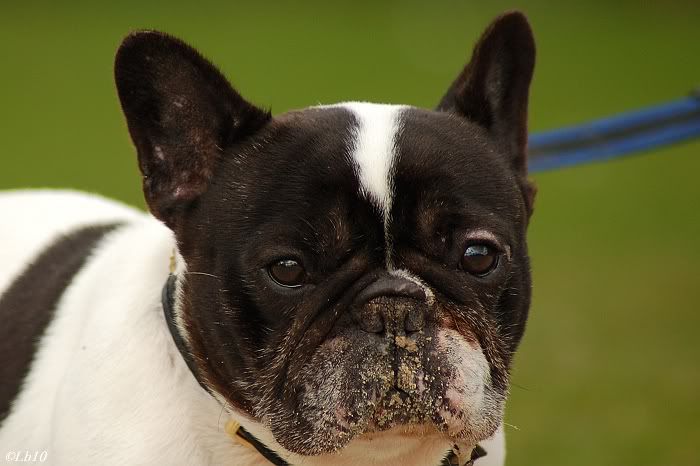
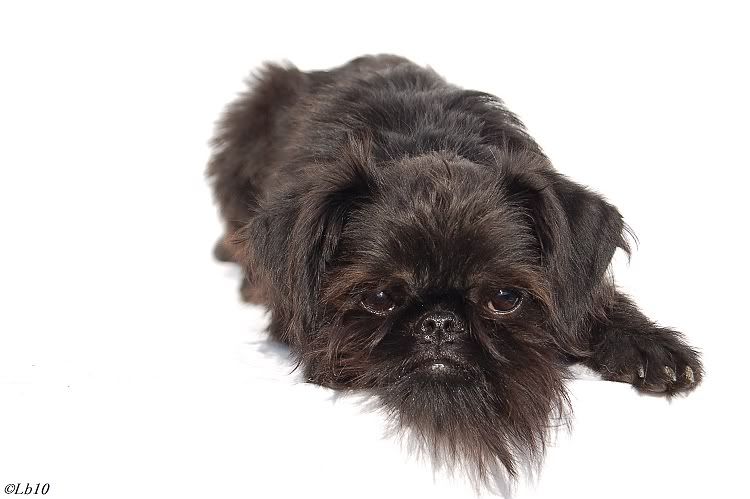
Kortom: het is niet zo dat kortsnuiten toevallig een wat verhoogde kans op BOS hebben, maar BOS is gewoon een direct gevolg van de manier waarop ze gefokt zijn. En ook kortsnuiten die op het eerste gezicht nergens last van hebben lijden hier wel degelijk aan.
Maar als de Fac. diergeneeskunde in Utrecht er anders over denkt ben ik wel heel benieuwd naar hun mening. Als je interessante artikelen voor me hebt dan graag!
Kees