Pagina 7 van 7
Re: Bravecto
Geplaatst: 20 jun 2016 18:44
door 63673J
Lizzie. schreef:fenneke schreef:Buster loopt 90 % van de tijd op het pad

Af en toe eens een boom die iets verder staat en al bezocht is door een eerdere reu maar verder niet
En toch , afhankelijk van de wandelingen per dag, gemiddeld toch 80 teken
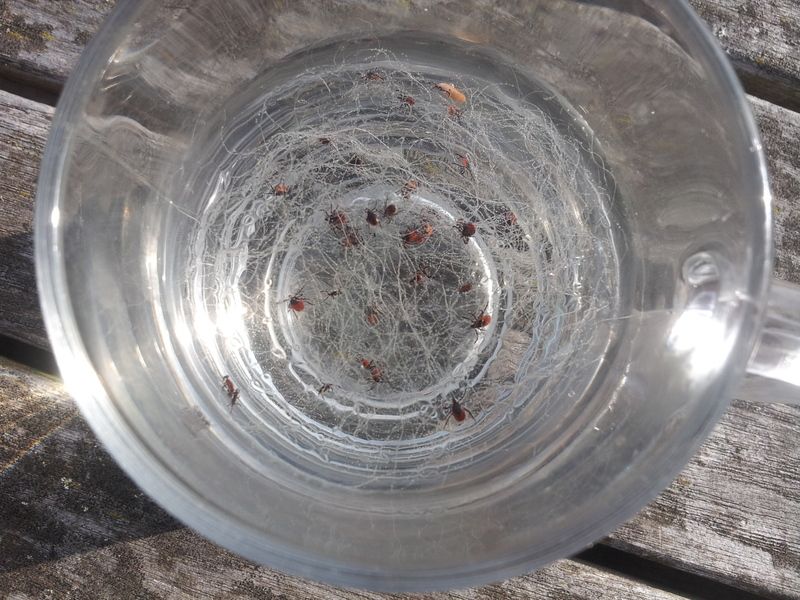
Na 1 wandeling
jeetje wat bizar veel zeg

ik zou dan toch een andere route nemen om te wandelen.
Brrrr, afgrijselijk!
Re: Bravecto
Geplaatst: 20 jun 2016 18:53
door Zamunda
Hier is het momenteel ook zo bar en boos als bij Fenneke. Na een
klein(!) rondje in het bos haal ik er rustig twintig teken per hond vanaf. En dat is nádat ik de honden 'afgestoft' heb. En zelfs na het vlooien vind ik dan alsnóg teken op de bank en mezelf
. Oh en de honden blijven op de paden.
De foto van Fenneke is dus heel herkenbaar voor mij.
Maar goed, daar lijkt me geen enkel middel tegen bestand... die teken lopen (bijna) allemaal gewoon nog los op de honden. Dus ik heb het wandelen in het bos maar even opgegeven, jammer maar helaas.
Re: Bravecto
Geplaatst: 20 jun 2016 19:13
door Pemba
Ik vind het per jaar heel veel schelen waar de teken zitten.
Ik loop meestal in hetzelfde bos en het ene jaar barst het van de.teken en dit jaar valt het reuze mee.
Ik geef altijd advantix pipetten maar daar gaan de teken niet meer dood van.
En omdat het dit jaar meevalt geef ik ze niks meer.
Ondanks de lange dichte vachten vind ik de teken meestal wel.
Heel af en toe een volzogen beest maar dat hou je denk ik toch wel.
@ Fenneke, je zou bijna zeggen dat Buster door een tekennest heen loopt.
Re: Bravecto
Geplaatst: 20 jun 2016 19:28
door runninggirl
Hier (Drenthe) ook ontzettend veel teken net als bij Buster.... Bos, gras, en zelfs de groenstroken in het dorp zitten er vol mee.
Beide dames hebben dit jaar een Bravecto pil gekregen en ik had graag zelf ook zoiets gewild. Nu zit ik elke dag mn kleren te sprayen met DEET en nog bijna dagelijks na het omkleden en controleren bij thuiskomst dat ik een half uur later weer eentje van mn benen of armen pluk. Bah bah bah.
Re: Bravecto
Geplaatst: 20 jun 2016 19:38
door TessaThomas
Marjoleine schreef:fenneke schreef:Is ook bekend waarom de ene hond veel aantrekkelijker voor teken lijkt te zijn dan een andere hond?
Kan dat ergens aan liggen? Lichaamsgeur? Voedsel? Soort vacht?
Gedrag.
Nouja, hier dan.
Die muizenvangers hebben altijd een kraag met teken, en de padenlopers niet.
En de hava's dus wel want die zijn klein.
Hier klopt dat dan weer niet. Tessa en Tay hebben nog nooit een teek gehad *even afkloppen* en Winni wel. Tessa komt niet op dezelfde plaatsen, maar Tay wel en die loopt ook door hoog gras? Heel apart dus.
Ik durf de bravecto nog niet aan, misschien over een aantal jaar. Ik vind het wel een heel interessant topic.
Re: Bravecto
Geplaatst: 20 jun 2016 20:05
door DeDiana
TessaThomas schreef:Marjoleine schreef:fenneke schreef:Is ook bekend waarom de ene hond veel aantrekkelijker voor teken lijkt te zijn dan een andere hond?
Kan dat ergens aan liggen? Lichaamsgeur? Voedsel? Soort vacht?
Gedrag.
Nouja, hier dan.
Die muizenvangers hebben altijd een kraag met teken, en de padenlopers niet.
En de hava's dus wel want die zijn klein.
Hier klopt dat dan weer niet. Tessa en Tay hebben nog nooit een teek gehad *even afkloppen* en Winni wel. Tessa komt niet op dezelfde plaatsen, maar Tay wel en die loopt ook door hoog gras? Heel apart dus.
Ik durf de bravecto nog niet aan, misschien over een aantal jaar. Ik vind het wel een heel interessant topic.
Hier gaat dat ook niet op. Mila blijft 99% van de tijd op de paden en heeft zo 5-6 teken na een boswandeling (nu met de Seresto gelukkig niet meer), terwijl Amy 99% van de tijd niet op het pad is maar altijd in de bosjes of in het gras op zoek naar muisjes en die heeft nooit een teek

Re: Bravecto
Geplaatst: 20 jun 2016 20:19
door Marjoleine
Het scheelt hier wel enorm wáár ik loop. Er zijn echt delen waar je er gek van wordt en delen waar het prima gaat.
En dat snap ik dan ook nog maar het verschilt per jaar. Waar je vorig jaar 20 teken per dag opliep is dit jaar niks. Ehm, huh? Hoe kán dat?
Re: Bravecto
Geplaatst: 20 jun 2016 20:27
door Marjoleine
Heavy schreef:Trekken natte honden meer teken aan of zitten teken vaker aan de rand van het water?
Mijn honden zijn meestal niet lang droog .
Hier trouwens 1 hond Bravecto en 0 teken
1 hond seresto en al 2 teken
Ik denk dat vachten ook wel schelen, hoor.Althans, je vindt ze toch lastiger in lange vachten.
En ze blijven denk ik makkelijker hangen.
Re: Bravecto
Geplaatst: 20 jun 2016 20:38
door maart
Bij Ruun heb ik er vorige week 3 uitgehaald, alle 3 morsdood en niet gezogen

Ze hebben dit jaar nog niets van tekenspul gehad

Re: Bravecto
Geplaatst: 20 jun 2016 20:41
door Marjoleine
Heavy schreef:Ze hebben allebei kort haar

Maar de structuur is anders toch?
Welke heeft de meeste? En hoe kort heeft die does het?
Re: Bravecto
Geplaatst: 20 jun 2016 20:59
door Habibi
Dit is bij paard, niet hond, maar:
Mijn paard heeft (lang geleden) in een groep van 7 gelopen. In een wei.
2 van de 7 (de mijne en 1 andere dus) zaten steevast onder de teken (50 per dag kon voorkomen, nymfjes) de andere 5 nauwelijks ooit een teek.
Dus ergens geloof ik vast dat kleur, geur of wat dan ook uitmaakt.
(beide paarden hadden en wat minder voorkomend kleurtje, valk. Dus bruin met crème verdunning)
Wat exact de reden is, weet ik niet.
Maar de een is dus beslist gevoeliger dan de ander.
Re: Bravecto
Geplaatst: 21 jun 2016 12:34
door Manuma
DeDiana schreef:TessaThomas schreef:
Hier klopt dat dan weer niet. Tessa en Tay hebben nog nooit een teek gehad *even afkloppen* en Winni wel. Tessa komt niet op dezelfde plaatsen, maar Tay wel en die loopt ook door hoog gras? Heel apart dus.
Ik durf de bravecto nog niet aan, misschien over een aantal jaar. Ik vind het wel een heel interessant topic.
Hier gaat dat ook niet op. Mila blijft 99% van de tijd op de paden en heeft zo 5-6 teken na een boswandeling (nu met de Seresto gelukkig niet meer), terwijl Amy 99% van de tijd niet op het pad is maar altijd in de bosjes of in het gras op zoek naar muisjes en die heeft nooit een teek
Hier ook niet hoor.
Uma en Cody lopen altijd zij aan zij door het hoge gras en de bosjes en Cody zit helemaal onder en Uma heeft het gehele jaar nog niks gehad.
Manu loopt nog wel meer in de bosjes dan zij en die heeft ook nooit teken.
Re: Bravecto
Geplaatst: 21 jun 2016 12:44
door Marjoleine
Het heeft mss ook wel te maken met lichaamstemperatuur. Daar reageren teken op.
En die temperatuur verschilt per hond.
Re: Bravecto
Geplaatst: 21 jun 2016 13:11
door Sulluna
Hier ook al zo raar.. Sultan loopt overal onderdoor, tussendoor elk bosje wordt bekeken. Ik heb zelfs nog nooit een teek bij hem gehad, al die jaren niet.
Suus heb ik nog maar een paar maanden en ik heb bij haar toevallig 2 weken terug 1 teek gehad. Zij scharrelt minder dan Sultan.
Luna scharrelt nooit. Plakt voornamelijk aan mijn been en loopt heel soms even het gras in voor een kort sprintje. Na elke wandeling is het wel prijs bijna. Zij heeft altijd zoveel teken.. Toch is zij een hond met een flinterdunne vacht, ook omdat zij demodex gehad heeft is zij op sommige plekken zelfs kaal.. Toch heeft zij de meeste teken.
Boeiend topic wel, ik ga er nog eens over nadenken.
Re: Bravecto
Geplaatst: 26 jul 2016 17:16
door Easy_Rider
Re: Bravecto
Geplaatst: 26 jul 2016 17:19
door *Wolf*
Ik las ook pas dat er in Bravecto landbouwgif zit. En dat gaat zich ophopen in de lever. Weet niet wat er precies aan klopt, maar waar rook is, is vuur denk ik dan maar. Dus hier beslist geen Bravecto. Daar is het nog veel te kort voor op de markt.
Nexgard klinkt dan een stuk beter. Dat kende ik niet.
Mmm, een edit. Ik ging even googelen en vond dit als eerst hit:
http://www.hondenpage.com/hondenforum/1 ... letten.php
Re: Bravecto
Geplaatst: 26 jul 2016 18:51
door Badu
*Wolf* schreef:Ik las ook pas dat er in Bravecto landbouwgif zit. En dat gaat zich ophopen in de lever. Weet niet wat er precies aan klopt, maar waar rook is, is vuur denk ik dan maar. Dus hier beslist geen Bravecto. Daar is het nog veel te kort voor op de markt.
Nexgard klinkt dan een stuk beter. Dat kende ik niet.
Mmm, een edit. Ik ging even googelen en vond dit als eerst hit:
http://www.hondenpage.com/hondenforum/1 ... letten.php
Deze zag ik ook langskomen:
http://www.dogsnaturallymagazine.com/br ... ives-safe/
Re: Bravecto
Geplaatst: 26 jul 2016 18:57
door dagmar88
Manuma schreef:
Uma en Cody lopen altijd zij aan zij door het hoge gras en de bosjes en Cody zit helemaal onder en Uma heeft het gehele jaar nog niks gehad.
Manu loopt nog wel meer in de bosjes dan zij en die heeft ook nooit teken.
Cody zwemt niet he?
Heb het idee dat ze zoute honden niet moeten.
Re: Bravecto
Geplaatst: 26 jul 2016 19:22
door *Wolf*
dagmar88 schreef:Manuma schreef:
Uma en Cody lopen altijd zij aan zij door het hoge gras en de bosjes en Cody zit helemaal onder en Uma heeft het gehele jaar nog niks gehad.
Manu loopt nog wel meer in de bosjes dan zij en die heeft ook nooit teken.
Cody zwemt niet he?
Heb het idee dat ze zoute honden niet moeten.
Dat klopt. Zeewater is een uitstekend natuurlijk middel tegen vlooien, en waarschijnlijk dan ook teken.
Re: Bravecto
Geplaatst: 27 jul 2016 10:33
door Hippo
*Wolf* schreef:dagmar88 schreef:Manuma schreef:
Uma en Cody lopen altijd zij aan zij door het hoge gras en de bosjes en Cody zit helemaal onder en Uma heeft het gehele jaar nog niks gehad.
Manu loopt nog wel meer in de bosjes dan zij en die heeft ook nooit teken.
Cody zwemt niet he?
Heb het idee dat ze zoute honden niet moeten.
Dat klopt. Zeewater is een uitstekend natuurlijk middel tegen vlooien, en waarschijnlijk dan ook teken.
Nou helaas, zonder teekpreventiemiddelen hebben mijn honden gewoon veel teken (alle 3). Ze zwemmen deze weken elke dag en regelmatig in zeewater. Zelfs als ze net hebben gezwommen in de zee zitten er teken op.
Re: Bravecto
Geplaatst: 27 jul 2016 10:45
door runninggirl
Ik kan het zo snel even niet terugvinden, maar op FB stond een reactie van een dierenarts over Bravecto (in de groep Does Bravecto Kill Dogs?). Ik zal straks nog even verder zoeken of ik het kan vinden...
Ze schreef, dat het middel de teek wel doodt, maar dit niet snel genoeg doet om bijvoorbeeld de ziekte van Lyme te voorkomen. Voor mij was dit juist de reden om wel Bravecto te geven. Maar zal het niet meer doen want ik kan dus net zo goed na elke wandeling zelf de teken weghalen. En dan scheelt het toch weer rotzooi in hun lichaam met een pil minder.
Re: Bravecto
Geplaatst: 01 aug 2016 13:04
door ranetje
runninggirl schreef:Ik kan het zo snel even niet terugvinden, maar op FB stond een reactie van een dierenarts over Bravecto (in de groep Does Bravecto Kill Dogs?). Ik zal straks nog even verder zoeken of ik het kan vinden...
Ze schreef, dat het middel de teek wel doodt, maar dit niet snel genoeg doet om bijvoorbeeld de ziekte van Lyme te voorkomen. Voor mij was dit juist de reden om wel Bravecto te geven. Maar zal het niet meer doen want ik kan dus net zo goed na elke wandeling zelf de teken weghalen. En dan scheelt het toch weer rotzooi in hun lichaam met een pil minder.
Dat klinkt me wel realistisch in de oren

De teek moet zich vastbijten om dood te gaan.
Re: Bravecto
Geplaatst: 01 aug 2016 18:00
door heimwee
Ik vind na de Bravecto pil überhaupt geen teken meer op Kalev of in huis. Het was daarvoor iedere wandeling raak. Kon ze zo uit zijn vacht plukken. De pil gegeven en sinds zo'n 48 uur daarna geen teek meer gezien. De wandelingen zijn overigens hetzelfde gebleven.
Re: Bravecto
Geplaatst: 03 aug 2016 20:53
door runninggirl
Ik heb het bericht terug kunnen vinden en dus hier geciteerd:
Laura Dunn
20 juli om 12:39
I have been asked to make a comment of mine into a new post. Before reading, please keep an open mind and I will ask people not to insult my profession as a whole. As with every profession, we are all different. -------
I just want to put my perspective across for others as I work as a vet myself. When first being taught about Bravecto at a CPD (further education) session, the drug literally seemed too good to be true. Absolutely no mention was made of adverse effects aside from transient vomiting/diarrhoea. No mention was made of studies which show that time between tick attachment and transmission of certain tick borne pathogens was in many cases shorter than the average time Bravecto takes to kill ticks which attach. It has been incorporated into so many health plans across the UK where I practice. For convenience the uptake has been massive. I distinctly remember being told at the CPD session that it was safe for lactating bitches and young dogs. Now knowing what I know I would never use it without an extremely good reason (ie life threatening tick infestation and no other products effective).
Let me just summarise - for a lot of products and foods (looking at Royal Canin here), the brainwashing starts at vet school. As vets we are literally bombarded with positive reports/research, wonderful descriptions of what these treatments can do. After all how will these products sell to vet practices if we are presented with the horrendous side effects? Honestly, vets are invested in the welfare of the animals. We don't make a lot as a practice when we sell Bravecto as the markup on these things is minimal. So it is definitely NOT money based for most private practices. It is literally a case of misinformation on the behalf of drug representatives.
I have informed my colleagues of what I have found to be true of this drug and more vets are becoming aware of the devastating side effects. I still think correlation doesn't equal causation and there will definitely be cases where coincidentally illnesses have developed or at least been revealed/exacerbated around the time Bravecto has been administered. But there are way too many stories of deaths, seizures etc to make me think it is an acceptable drug to use on such a huge scale. It makes me sad when people say that vets don't care about the animals. I would not be working as a vet if my number one concern wasn't animal welfare (FYI, I get paid close to minimum wage based on my working hours so we are not rich people - unless you are a vet that runs a practice). I think what is needed is less brainwashing and more open discussion with drugs reps as they are the ones covering up the adverse effects or failing to mention them in order to get practices to purchase their product. Please, before commenting that we don't care about our patients consider how that makes us feel - bearing in mind why we went into veterinary medicine in the first place. Not for the money or the glory.
NOTE: To clarify this is the kind of information we vets get -
http://www.ema.europa.eu/ema/index.jsp? ... 058008d7a8
No mention of more serious side effects even in field studies/in practice trials. Apparently all side effects they encountered whilst researching the drug were "mild and transient" so seen as acceptable risk.
No drug is 100% safe. Even ones I have been using for years without seeing a side effect in my patients. I would never state that side effects did not exist. Veterinary medicine is not black and wide, it is a field of grey areas. In all cases whenever a treatment is made you have to weigh up the risk and benefit to the animal. In most cases the benefit vastly outweighs the cost but there is always the possibility of adverse effects. Owning an animal involves a lot of difficult decision making, but as vets we try to guide in the right direction at all times. I am concerned that any vet would say a treatment, especially a parasiticide, was 100% predictable.
Edit: I know it is in the best interests of the manufacturers not to go around horrifying veterinary practices with stories of adverse effects, it wouldn't make business sense to approach things that way. What may be useful in all cases where products are being promoted to practices is to have a database which gives a better idea of potential reactions - the practice should have the option of accessing this, it means that after the rep has discussed the virtues of the product, the veterinary staff can decide in their own time with more accurate information/more of a balance between pros/cons whether they want to use the product themselves. Any input is much appreciated though.
Edit 2: Just to clarify I am not anti vaccination nor am I saying that natural products are the only way to go (they will have their benefits but I absolutely cannot vouch for how well they work). With both vaccination and other anti tick treatments such as advantix, seresto etc we have a lot more data collected over many years with regards to incidence and severity of side effects. Again yes, these exist but as a percentage of animals treated (which for e.g. vaccination will be in the millions) this is very low. I understand no risk is "acceptable" but when weighing up the scenario where substandard medication/preventative medicine is used and considering the consequences of infection with transmissible diseases, I will still advocate their use. I would never recommend anything that I wouldn't use on my own pets. I will risk the tiny possibility of an adverse vaccine reaction to ensure that my animals cannot suffer from parvo, leptospirosis or equally devastating diseases. The problem with Bravecto is the fact it is a relatively new and novel product which I don't feel is suited for the veterinary market due to what I have seen so far.
Quite honestly what I would like to see is much longer field trials on a more limited basis (ie restricted populations of dogs) and also research of more natural products in a logical manner to assess whether they do make a significant difference to disease burdens.
En de originele link naar het bericht:
https://www.facebook.com/groups/4113712 ... 3002339120

